Reduzierte Artikel in dieser Kategorie

7,99 €
| Verlag | Oxford University Press |
| Auflage | 2020 |
| Seiten | 224 |
| Format | 16,4 x 21,1 x 1,5 cm |
| Print PDF | |
| Gewicht | 260 g |
| Artikeltyp | Englisches Buch |
| Reihe | What Everyone Needs to Know |
| ISBN-10 | 019006966X |
| EAN | 9780190069667 |
| Bestell-Nr | 19006966EA |
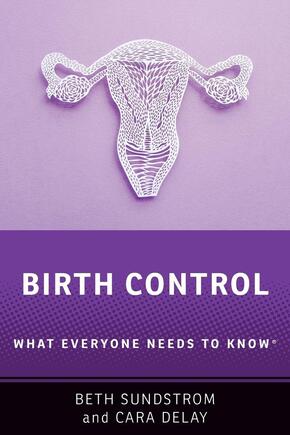
Birth control offers women the opportunity to prevent pregnancy, plan and space their births, or have no births at all. And yet, in the United States, half of all pregnancies remain unintended, and access to birth control is beset by inequities in education, access, and coverage.
Research indicates that women are familiar with the range of contraceptive methods available today. But the persistently high rates of unintended pregnancy, combined with common dissatisfaction and discontinuation, suggest that women's contraceptive needs continue to be unmet.
Birth Control: What Everyone Needs to Know will offer more than a user's guide to available means of contraception: it will examine how supported family-planning infrastructure impacts society as a whole. Through reviews of policy, scientific literature, and supplemental interviews with women, it will uncover women's concerns and apprehensions about contraception, as well as the ways birth control empowers women and increases access to educational and professional opportunities. It will provide an overview the history of birth control, the risks and benefits of contraception, the role of menstruation, and the future of birth control. The goal of this book is to provide accurate, unbiased scientific information about contraception in the context of women's lived experiences and the realities of how individuals make decisions about birth control.
Inhaltsverzeichnis:
- I. Introduction: Birth Control Today
- a. Birth Control? Family Planning? Contraception?: What is the difference?
- b. Women's voices: Understanding lived experiences
- c. Who needs birth control?
- i. What is unintended pregnancy?
- ii. How many women who do not use a method of birth control will become pregnant over the course of one year?
- iii. What is the current rate of unintended pregnancy in the United States?
- iv. Are there negative health effects of unintended pregnancy for women and infants?
- v. Are there negative health effects of unintended pregnancy for families and society?
- vi. How can birth control enhance women's lives?
- vii. How does birth control enhance family and community well-being?
- viii. What societal benefits does birth control offer?
- d. What is reproductive justice?
- i. How do the intersections of race/ethnicity, class/socioeconomic status, ability, age, gender/sexuality, and immigration status serve as sources of reproductive oppression and perpetuate social inequality?
- ii. Why is birth control important to reproductive justice?
- iii. What are the popular perceptions of contraception?
- e. Birth control in the news
- a. What is "contraceptive scare"?
- II. What is birth control?
- a. How does birth control work?
- i. What are the different methods of birth control available today?
- i. What are hormonal methods of birth control?
- ii. What are non-hormonal methods of birth control?
- ii. What are the most commonly used methods?
- iii. How effective are today's methods of birth control in preventing pregnancy?
- 1. What is perfect use?
- 2. What is typical use?
- v. What is emergency contraception (EC) or the morning after pill?
- 1. What is the difference between EC and abortion?
- 2. Where can I purchase EC?
- 3. How old do I have to be to purchase EC?
- vi. What are the benefits of dual protection?
- b. A brief history of birth control
- i. When was birth control invented?
- ii. What were historical methods of birth control?
- iii. When were modern methods of birth control invented?
- iv. How have laws about birth control changed over time?
- III. How do we know if birth control is safe?
- a. What are the risks and benefits of birth control?
- i. What are the risks of hormonal birth control?
- ii. What are the benefits of hormonal birth control?
- iii. What are the risks associated with pregnancy and childbirth?
- iv. Does hormonal contraception offer any health benefits?
- v. Does hormonal contraception treat or prevent heavy menstrual bleeding, painful periods, PMS, and/or acne?
- vii. Does hormonal contraception treat or prevent pelvic inflammatory disease, Polycystic Ovarian Syndrome (PCOS), fibroids, and/or endometriosis?
- v
